
Starting at the center, Earth is composed of four distinct layers. They are, from deepest to shallowest, the inner core, the outer core, the mantle and the crust. Except for the crust, no one has ever explored these layers in person. In fact, the deepest humans have ever drilled is just over 12 kilometers (7.6 miles).

REFLECTION:The earth is made up of three different layers: the crust, the mantle and the core. This is the outside layer of the earth and is made of solid rock, mostly basalt and granite. There are two types of crust; oceanic and continental. Oceanic crust is denser and thinner and mainly composed of basalt.
MINERALS AND ROCKS
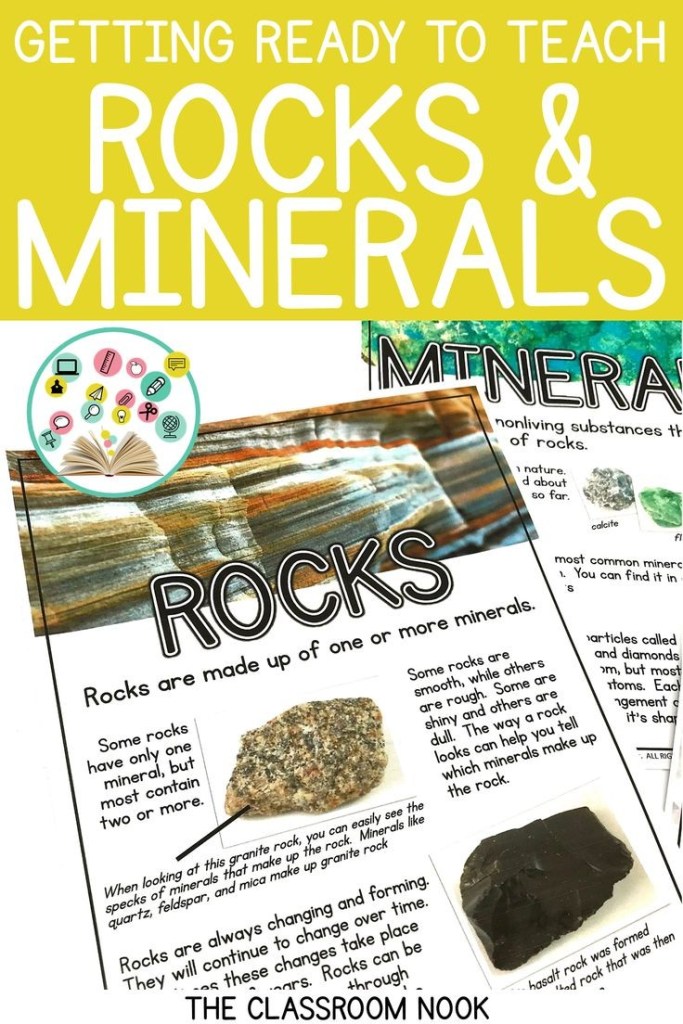
MINERALS-In geology and mineralogy, a mineral or mineral species is, broadly speaking, a solid chemical compound with a fairly well-defined chemical composition and a specific crystal structure that occurs naturally in pure form. The geological definition of mineral normally excludes compounds that occur only in living beings.
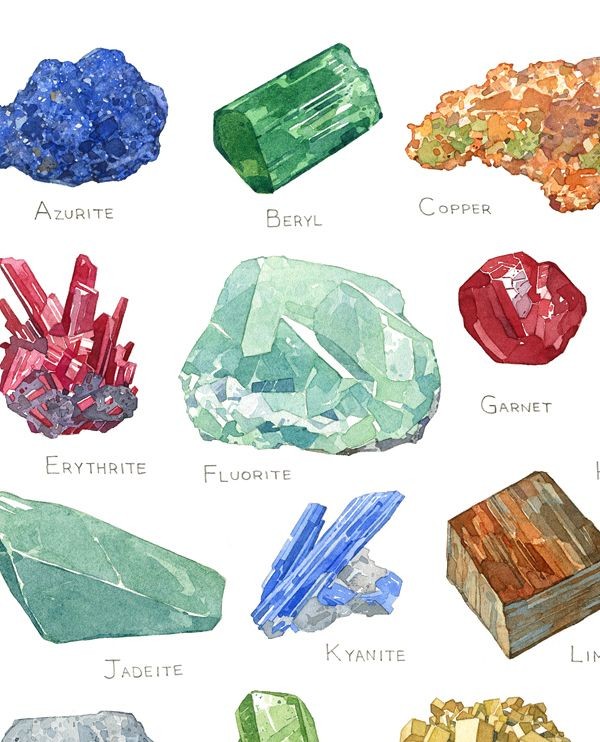
REFLECTION-The lustre of a mineral is its surface appearance and is dependent on the quantity and quality of the reflected light. Lustre is generally independent of the colour of the mineral. The intensity of any kind of lustre is determined by the transparency, reflectivity and surface structure of the mineral.

THE ROCK CYCLE
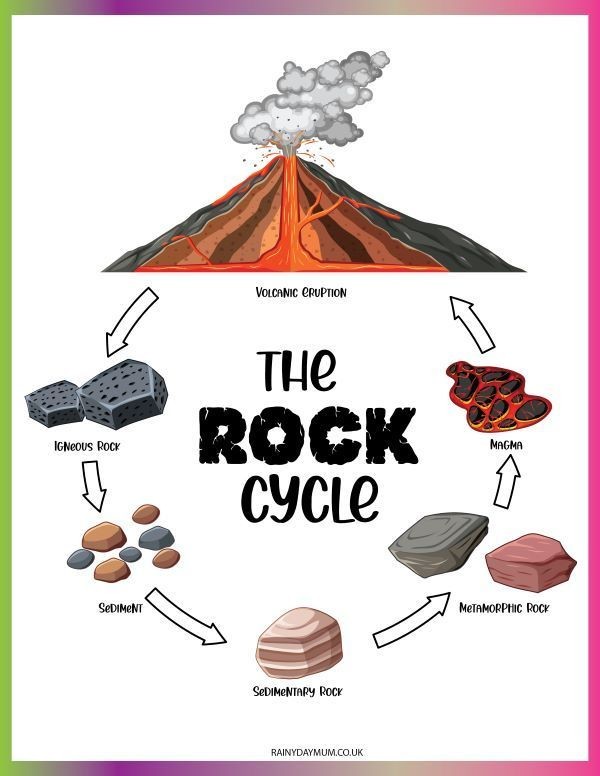
The three processes that change one rock to another are crystallization, metamorphism, and erosion and sedimentation. Any rock can transform into any other rock by passing through one or more of these processes. This creates the rock cycle.

REFLECTION-The distribution of rock types is a reflection of the rock cycle. Sedimentary rocks are most common at the surface because they are formed by processes that occur at the surface. Most igneous rocks and metamorphic rocks are formed by processes that occur deeper within Earth.
 Site Title