Perpetuation-Self-perpetuation, the capability of something to cause itself to continue to exist, is one of the main characteristics of life. Organisms’ capability of reproduction leads to self-perpetuation of the species, if not to the individual. Populations self-perpetuate and grow.
EXAMPLES ARE PLANTS
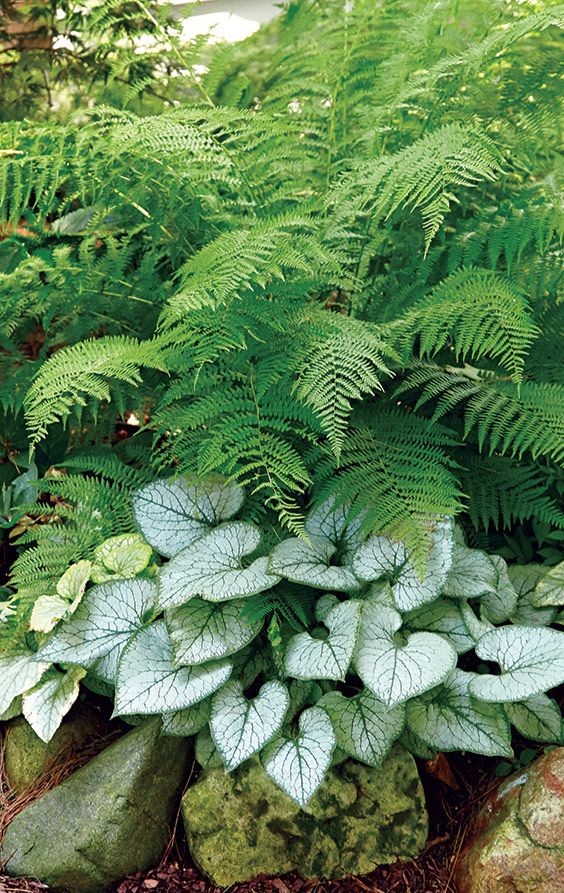

How do Plants reproduce?
A flower can either have the male or female part or both the parts. Flowers in plants carry out the reproductive functions in plants when both the male and female gametes are fused to produce the seeds which bear the fruit. These seeds germinate to produce new plant structures.
PLANTS REPRODUCE IN TWO WAYS
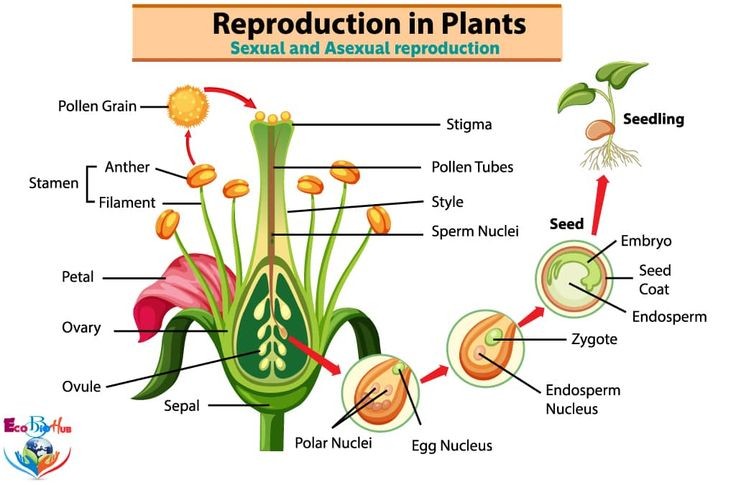
Sexual reproduction produces offspring by the fusion of gametes, resulting in offspring genetically different from either parent. Asexual reproduction produces new individuals without the fusion of gametes. The resulting clonal plants are genetically identical to the parent plant and each other, unless mutations occur.
4 MAIN PARTS OF A PLANT
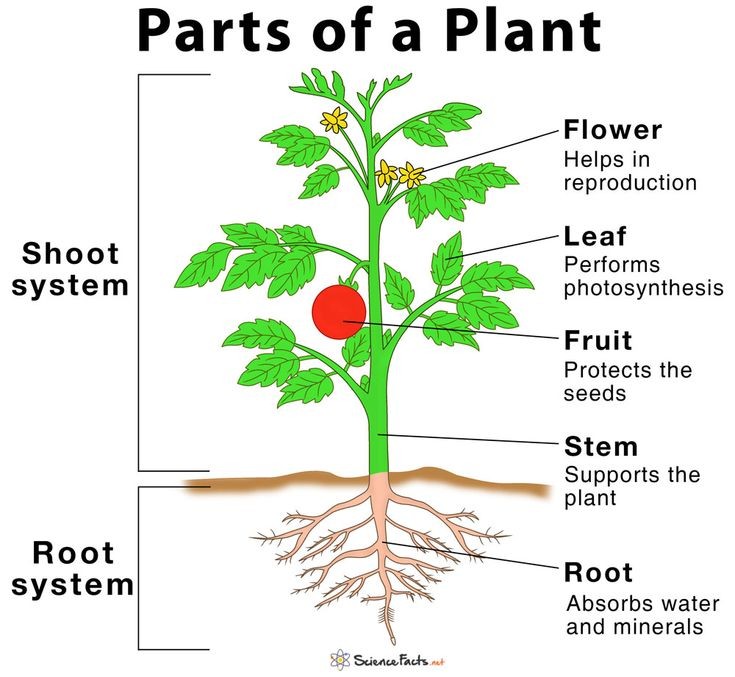
Plants typically have six basic parts: roots, stems, leaves, flowers, fruits, and seeds. Draw a diagram of your plants and label each part. Takes in water and nutrients.
ANATOMY OF A FLOWER
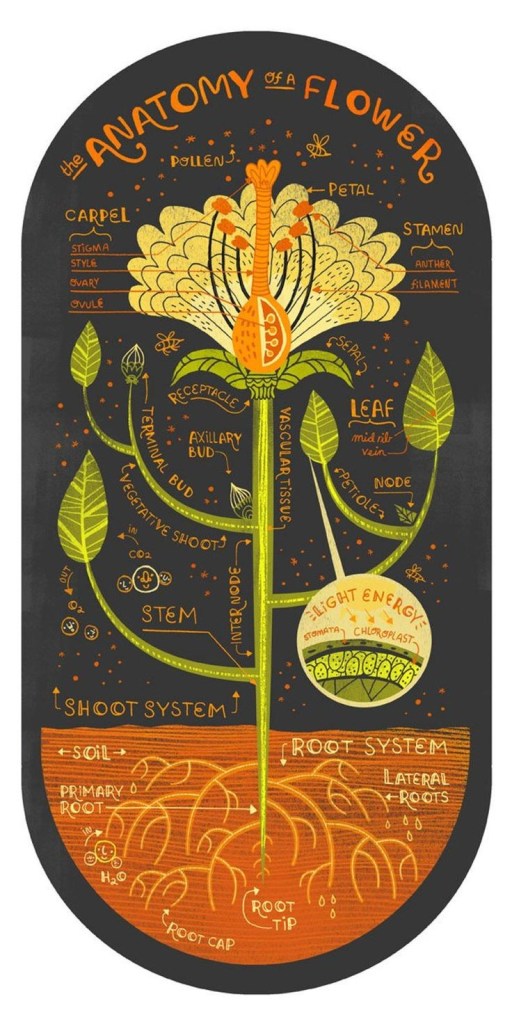
Flowers are composed of many distinct components: sepals, petals, stamens, and carpels. These components are arranged in whorls and attach to an area called the receptacle, which is at the end of the stem that leads to the flower. … Inside the petals, six stamens encircle a central pistil (composed of fused carpels).
2 TYPES OF REPRODUCTION IN ANIMALS
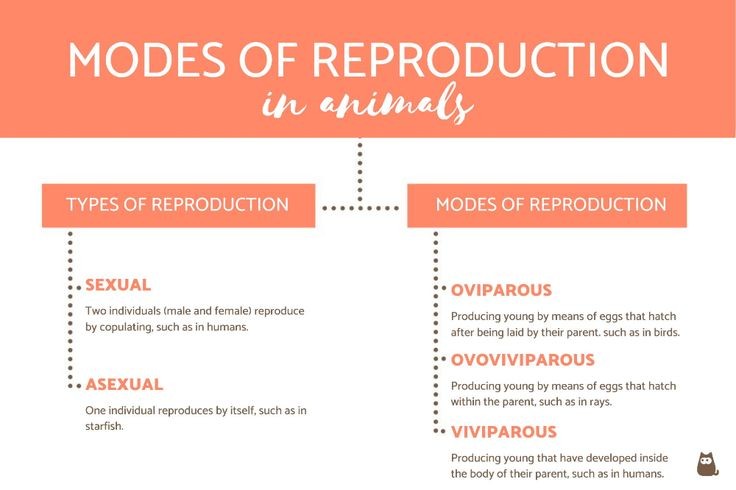
Gametes: The cells involved in sexual reproduction or we can say that they are sexual reproductive cells. They are of two types: male gametes and female gametes. The male gamete in animal is called ‘sperm’ and the female gamete in animals is called ‘ovum’ or ‘egg’.
 Site Title